
View the extensive gallery of wood species available at Edgemate.
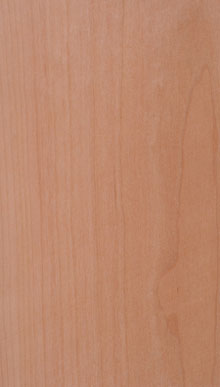
Alder Red Clear
Ainus rubra.
Native to the Pacific Coast (California and north).
Good working properties; strength between Red Gum and American tulipwood. Uses: Unexposed structural parts for furniture: core stock.
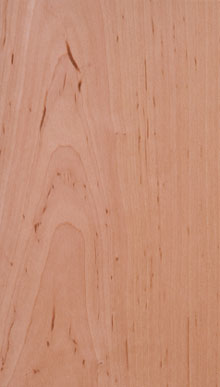
Alder Red Rustic
Alnus Rubra.
Native to the Pacific Coast (California and north).
Good working properties; strength between Red Gum and American tulipwood. Uses: Unexposed structural parts for furniture: core stock.
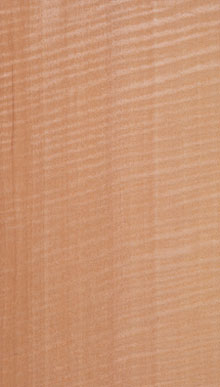
Anegre Qtrd Figrd
Aningeria spp.
Native to Africa.
The siliceous content, though very small, is enough to make it abrasive to cutting tools; generally has a fine uniform texture.
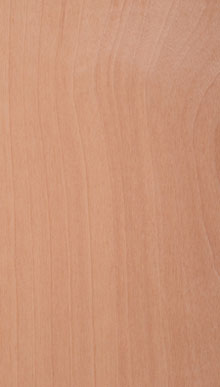
Anigre Flat Cut Plain
Aningeria spp.
Native to Africa.
The siliceous content, though very small, is enough to make it abrasive to cutting tools; generally has a fine uniform texture..
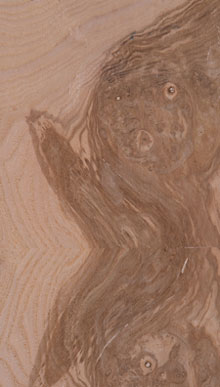
Ash Olive Burl
Fraxinus excelsior.
Native to England, France, Turkey, and Hungary.
Moderate weight and hardness; even grain, tough; flexible; easily worked.
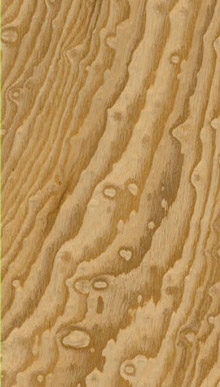
Ash Tamo
Fraxinus Mandschurica.
Native to Japan.
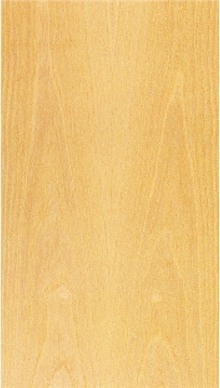
Ash White
Fraxinus excelsior.
Native to England, France, Turkey, Hungary.
Moderate weight and hardness; even grain, tough; flexible; easily worked.
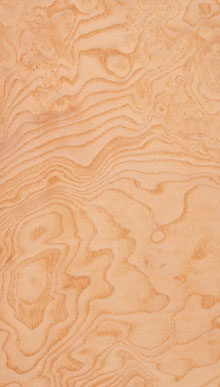
Ash White Burl
Fraxinus excelsior.
Native to England, France, Turkey, and Hungary.
Moderate weight and hardness; even grain, tough; flexible; easily worked.
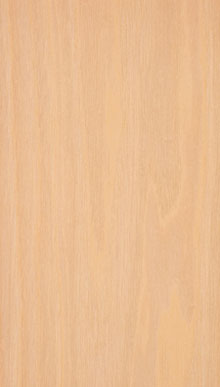
Ash White Flat Cut
Fraxinus excelsior.
Native to the Eastern US.
Moderate weight and hardness; even grain, tough; flexible; easily worked.
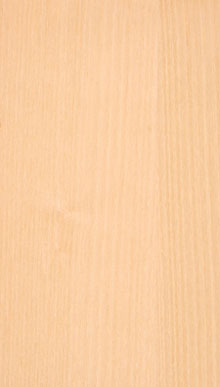
Ash White Qtrd
Fraxinus excelsior.
Native to England, France, Turkey, Hungary.
Moderate weight and hardness; even grain, tough; flexible; easily worked.
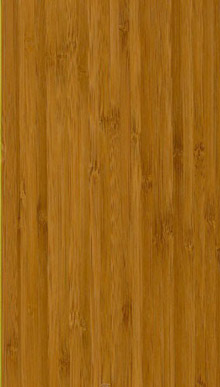
Bamboo Caramel Narrow
Bambusa Multiplex.
Native to China.
A true grass.
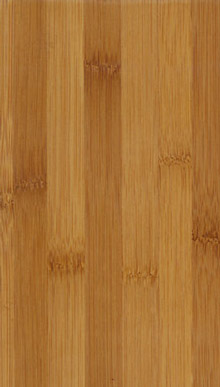
Bamboo Caramel Wide
Bambusa Multiplex.
Native to China.
A true grass.
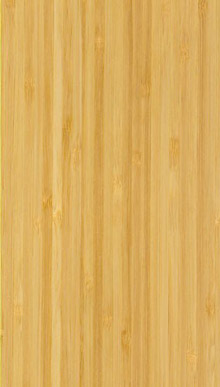
Bamboo Natural Narrow
Bambusa Multiplex.
Native to China.
A true grass.
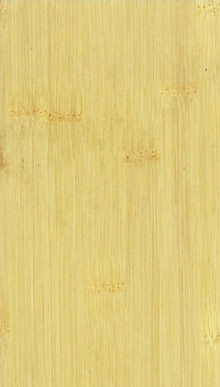
Bamboo Natural Wide
Bambusa Multiplex.
Native to China.
A true grass.
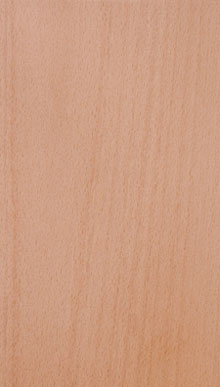
Beech Erpn Stmd Flat Cut
Fagus sylvatica.
Largely from Europe. However, this species is found in many parts of the world, for example, Norway to Spain and in Asia Minor.
Hard; strong; stiff; very close-grained.
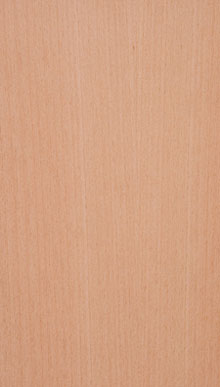
Beech Erpn Stmd Qtrd
Fagus sylvatica.
Largely from Europe. However, this species is found in many parts of the world, for example, Norway to Spain and in Asia Minor.
Hard; strong; stiff; very close-grained.
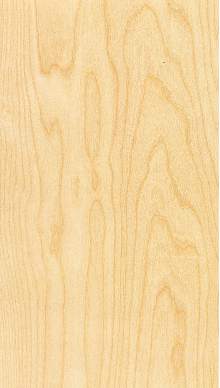
Birch
Betula
Native to Europe, Asia, and North America.
Heavy; very strong; hard; closed-grained; even texture.
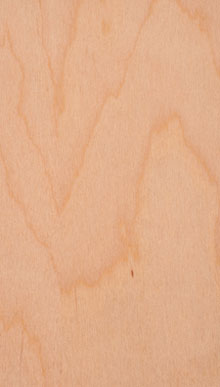
Birch Natural Flat Cut
Betula Alleghaniensis.
Native to Canada and New England.
Heavy; very strong; hard; closed-grained; even texture.
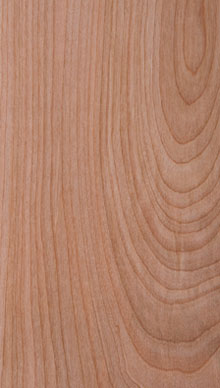
Birch Red Flat Cut
Betula Alleghaniensis.
Native to Canada and New England.
Heavy; very strong; hard; closed-grained; even texture.
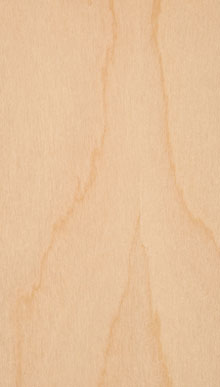
Birch White Flat Cut
Betula Alleghaniensis.
Native to Canada and New England.
Heavy; very strong; hard; closed-grained; even texture.
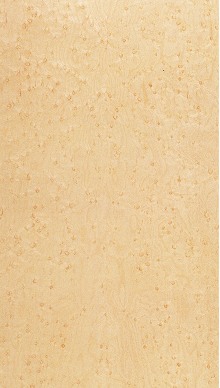
Birdseye Maple
Acer Saccharum.
Native to Northeastern North America.
Durable, dense grained, can be challenging to work with.
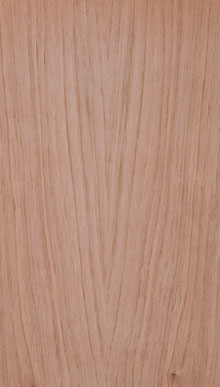
Butternut
Jagians cinerea.
Native to the North Central States.
Soft to medium textured with occasional small dark spots in some flitches.
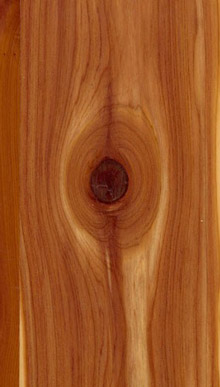
Cedar Aromatic
Juniperus Virginiana.
Native to the Eastern United States.
Always knotty; dark red with streaks of light red
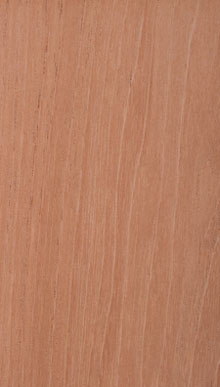
Cedar Spanish
Juniperus Uirginiana.
Occurs over most of Eastern United States.
Although brittle, it is regarded as a fine wood to work.
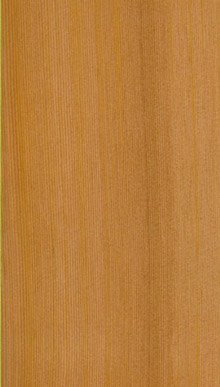
Cedar Western Red Qtrd
Thuja Plicata.
Native to the Northwest United States.
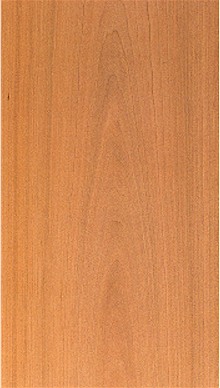
Cherry
Prunus serotina.
Native to North America.
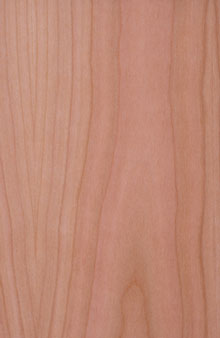
Cherry Flat Cut
Prunus serotina.
Native to North America.
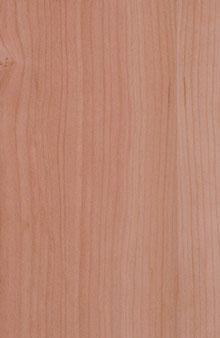
Cherry Qtrd
Prunus serotina.
Native to North America.
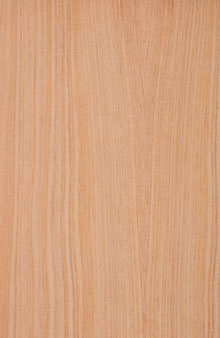
Cypress
Taxodium Distichum.
Native to the Southeastern Coast of the United States.
Moderately strong and light; very durable.
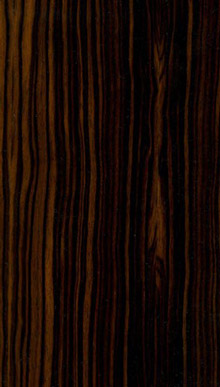
Ebony Macassar
Diospyros Celebica.
Native to the East Indies
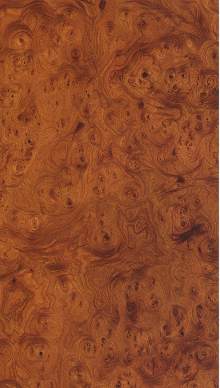
Elm Burl
Ulmus Procera.
Native to North America, Europe, and parts of Asia.
Interlocked grain, finishes well.
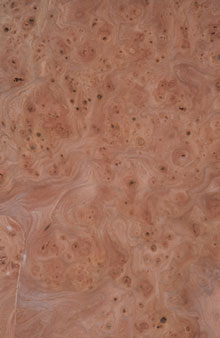
Elm Carpathian Burl
Ulmus Carpinifolia.
Native to Central Europe.
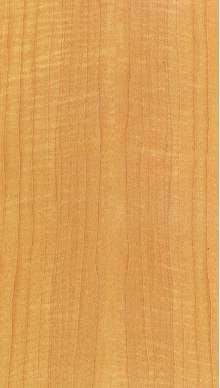
Figured Anegre
Pouteria spp.
Native to Africa.
Interlocked grain, commonly used for veneer.
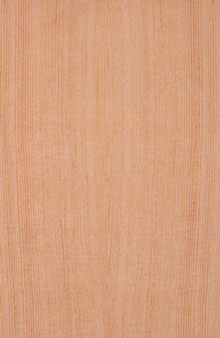
Fir VG
Pseudotsuga Menziesii.
Native to North America.
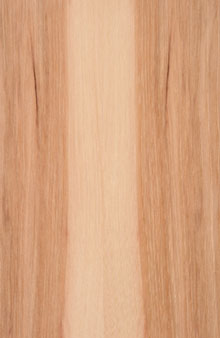
Hickory
Carya spp.
Native to Northeastern United States through the Southwest into Mexico.
Extremely tough and resilient; quite hard and only moderately heavy.
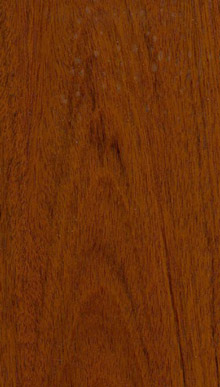
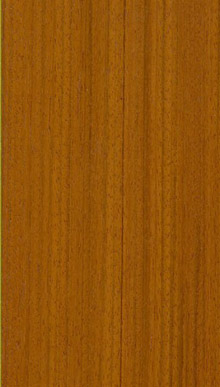
Jatoba PS
Hymenaea Courbaril.
Native to Central and Tropical South America.
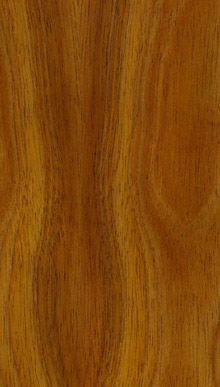
Jatoba Qtrd
Hymenaea Courbaril.
Native to Central and Tropical South America.
Koa
Acacia Koa.
Native to the Hawaiian Islands.
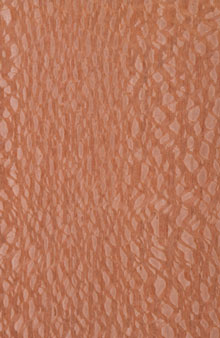
Lacewood
Cardwellia Sublimis.
Native to Queensland, Australia.
Very attractive overall pattern when used on small areas.
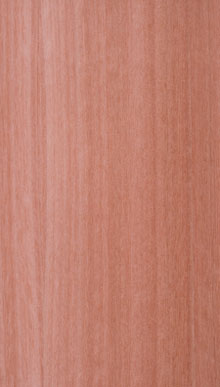
Lyptus Qtrd
Eucalyptus Spp.
Native to Australia.
Moderately durable, machines well.
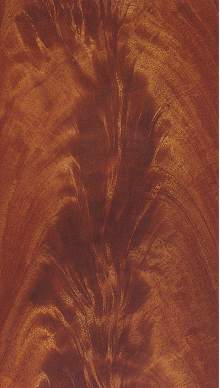
Mahogany
Swietenia Mahagoni.
Native to Central America.
Highly durable and fairly workable.
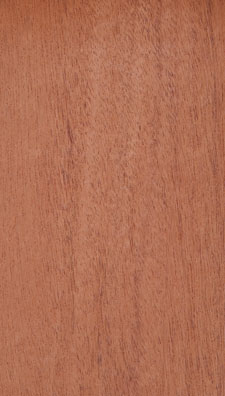
Mahogany African Flat Cut
Khaya Ivorensis.
Native to West Africa.
Available in great lengths and widths; milder textured with slightly larger pores than other Mahogany species; relatively hard; works well; highly lustrous; polishes well; durable.
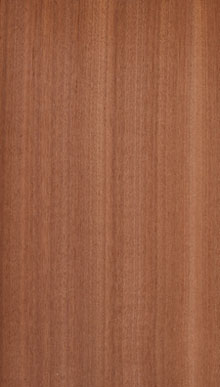
Mahogany African Ribbon
Khaya Ivorensis.
Native to West Africa.
Available in great lengths and widths; milder textured with slightly larger pores than other Mahogany species; relatively hard; works well; highly lustrous; polishes well; durable.
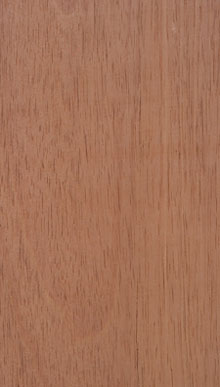
Mahogany Royal
Cariniana Spp.
Native to Northern South America.
Variable weight; medium strength.
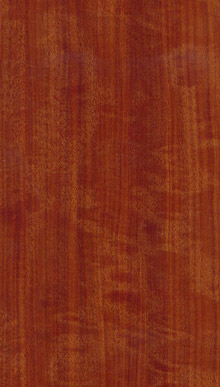
Makore Block Mottle
Tieghemella Heckelii. Native to Central Africa.
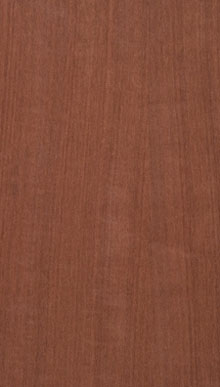
Makore Qtrd
Tieghemella Heckelii.
Native to West Africa.
Finer textured than true mahoganies, and denser, harder and heavier; tough; durable; stiff; large sizes; strogn; gummy and lustrous; glues well.
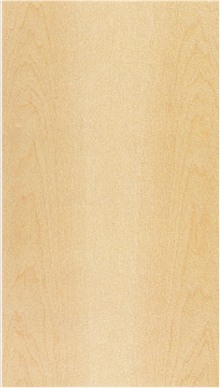
Maple
Acer Saccharum.
Native to the Appalachian Mountains.
Heavy; hare; strong; close-grained; tough; stiff; uniform texture. Excellent resistance to abrasion and indentation.
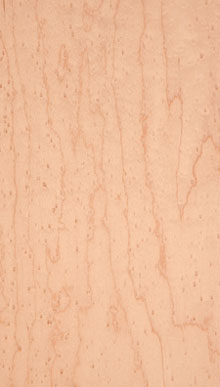
Maple Birdseye Hvy
Acer saccharum
Native to North America.
“Birdseye” is a term that refers to the figure that occurs almost exclusively in Hard Maple. It is said that birds actually cause the marks by pecking the trunk of the tree in search of food or sugar maple sap.
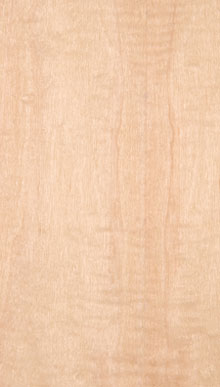
Maple Curly
Acer Saccharum.
Native to the Appalachian Mountains.
Heavy; hare; strong; close-grained; tough; stiff; uniform texture. Excellent resistance to abrasion and indentation.
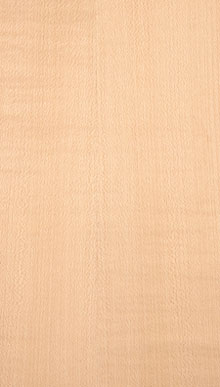
Maple Figured Qtrd
Acer Saccharum.
Native to the Appalachian Mountains.
Heavy; hare; strong; close-grained; tough; stiff; uniform texture. Excellent resistance to abrasion and indentation.
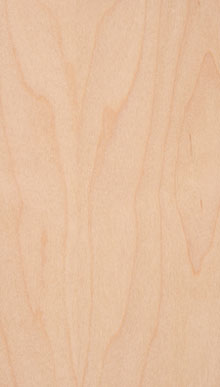
Maple Flat Cut
Acer Saccharum.
Native to the Appalachian Mountains.
Heavy; hare; strong; close-grained; tough; stiff; uniform texture. Excellent resistance to abrasion and indentation.
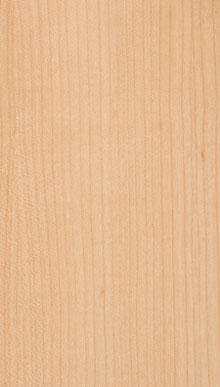
Maple Qtrd
Acer Saccharum.
Native to the Appalachian Mountains.
Heavy; hare; strong; close-grained; tough; stiff; uniform texture. Excellent resistance to abrasion and indentation.
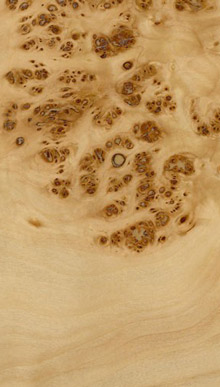
Mappa Burl
Populus Nigra.
Native to Western Europe.
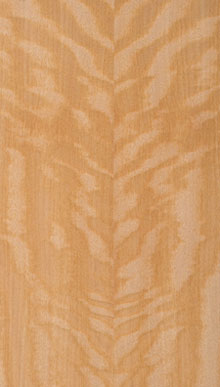
Movinge Qtrd
Distemonanthus Benthamianus.
Native to West Africa.
Grain often interlocking; moderately hard and heavy.
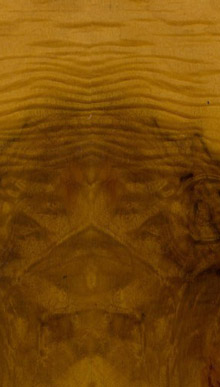
Myrtle Burl
Umbellularia Californica.
Native to the Western United States.
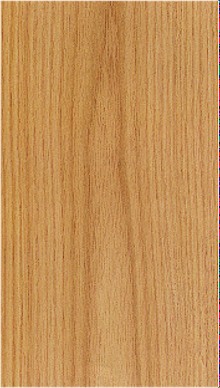
Oak Red
Quercus Rubra.
Native to the Eastern United States.
Slightly coarser grain, with large, rounded, open pores. A little easier to finish than white oak, though both are excellent.
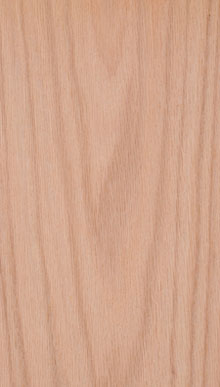
Oak Red Flat Cut
Quercus Rubra.
Native to the Eastern United States.
Slightly coarser grain, with large, rounded, open pores. A little easier to finish than white oak, though both are excellent.
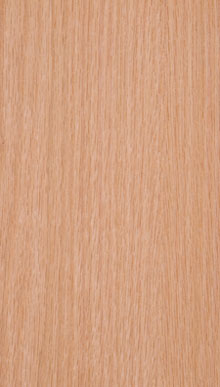
Oak Red Qtrd
Quercus Rubra.
Native to the Eastern United States.
Slightly coarser grain, with large, rounded, open pores. A little easier to finish than white oak, though both are excellent.
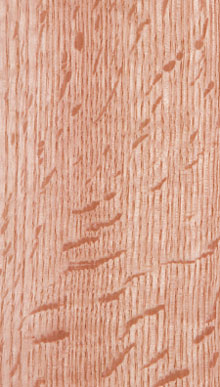
Oak Red Qtrd Hvy Flake
Quercus Rubra.
Native to the Eastern United States.
Slightly coarser grain, with large, rounded, open pores. A little easier to finish than white oak, though both are excellent.
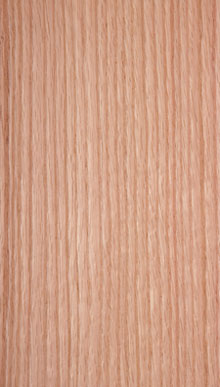
Oak Red Rift
Quercus Rubra.
Native to the Eastern United States.
Slightly coarser grain, with large, rounded, open pores. A little easier to finish than white oak, though both are excellent.
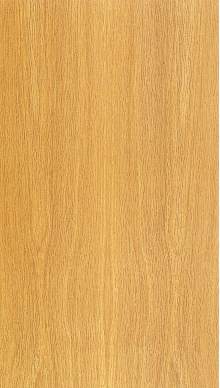
Oak White
Quercus Alba.
Native to the Eastern United States.
Pores are angular and very numerous and filled with a glistening substance called tyloses, which makes this wood suitable where water-resistance is required. Tannic acid in the wood protects it from fungi and insects. Closer grained than red oak.
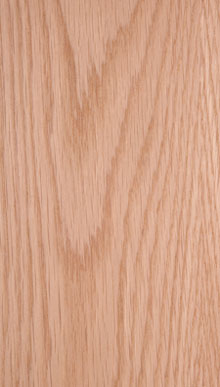
Oak White Flat Cut
Quercus Alba.
Native to the Eastern United States.
Pores are angular and very numerous and filled with a glistening substance called tyloses, which makes this wood suitable where water-resistance is required. Tannic acid in the wood protects it from fungi and insects. Closer grained than red oak.
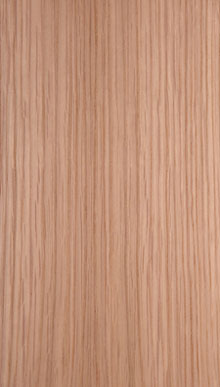
Oak White Qtrd
Quercus Alba.
Native to the Eastern United States.
Pores are angular and very numerous and filled with a glistening substance called tyloses, which makes this wood suitable where water-resistance is required. Tannic acid in the wood protects it from fungi and insects. Closer grained than red oak.
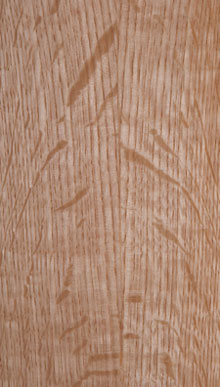
Oak White Qtrd Hvy Flake
Quercus Alba.
Native to the Eastern United States.
Pores are angular and very numerous and filled with a glistening substance called tyloses, which makes this wood suitable where water-resistance is required. Tannic acid in the wood protects it from fungi and insects. Closer grained than red oak.
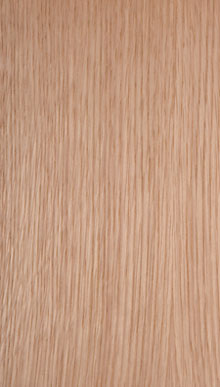
Oak White Rift
Quercus Alba.
Native to the Eastern United States.
Pores are angular and very numerous and filled with a glistening substance called tyloses, which makes this wood suitable where water-resistance is required. Tannic acid in the wood protects it from fungi and insects. Closer grained than red oak.
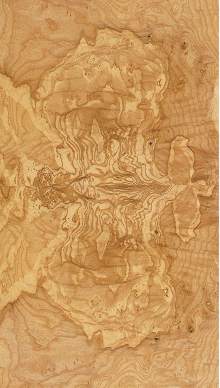
Olive Ash Burl
Fraxinus Excelsior.
Native to Europe.
Moderately durable. Stains and finishes well.
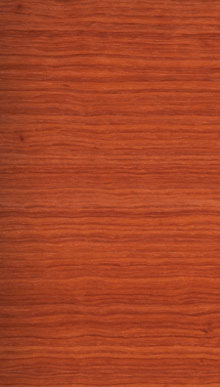
Padauk African
Pterocarpus Soyauxii.
Native to the West Coast of Africa.
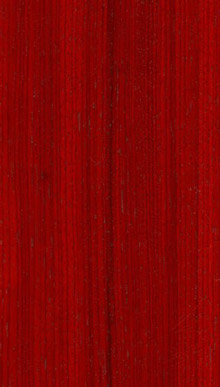
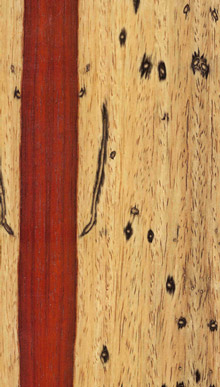
Padaulk Qtrd
Pterocarpus Macrocarpus.
Native to Burma.
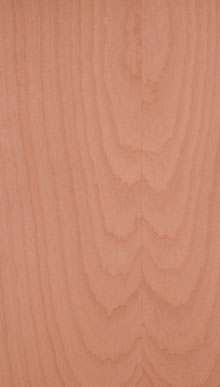
Padaulk SAP PS
Pterocarpus Macrocarpus.
Native to Burma.
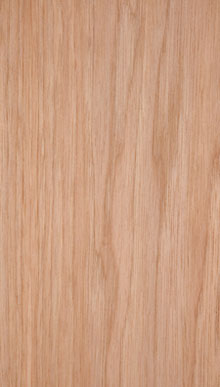
Pearwood
Pyrus Communis.
Native to the United States, Germany, Switzerland and France.
Fine, close grain; pores are very fine, indistinct.
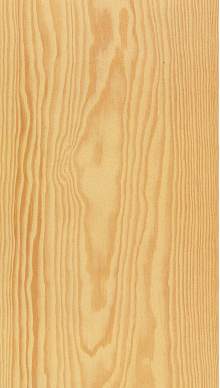
Pecan Flat Cut
Carya Illinoensis.
Native to Central to southeast United States.
Close grained; hard; very heavy; and strong.
Pine
Pinus.
Native to most of the Northern Hemisphere.
Fairly durable and easily workable. Suitable for indoor furniture.
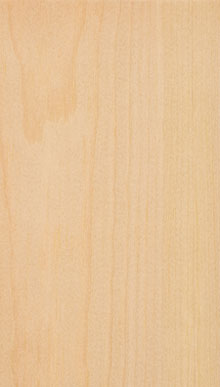
Pine Clear White
Pinus Palustris.
Native to North America.
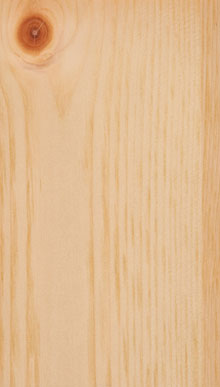
Pine Knotty
Pinus Strobus.
Native to the Pacific Northwest and Eastern United States.
Softwood but occasionally used as cabinet wood. Light; soft; not strong; close; straight grained.
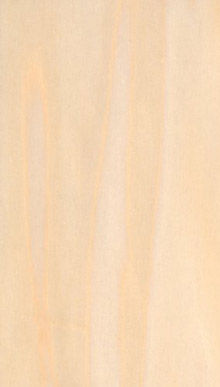
Poplar White
Populus Spp.
Native to Southern Europe to Central Asia.
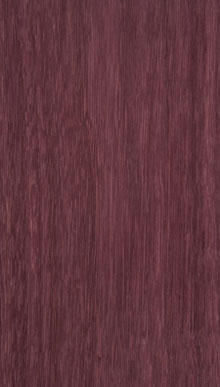
Purpleheart
Peltogyne Spp.
Native to Central and South America.
Even texture; hard and heavy; works excellently.
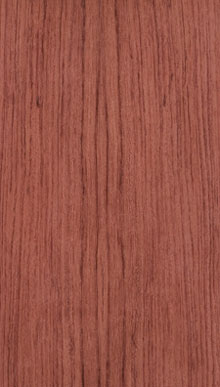
Rosewood African
Guibourtia Demeusii.
Native to West Africa.
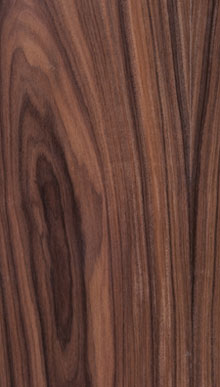
Rosewood Santos
Machaerium Scleroxylon.
Native to Bolivia and Brazil.
Fine textured, hard, heavy, compact, with small pores barely visible.
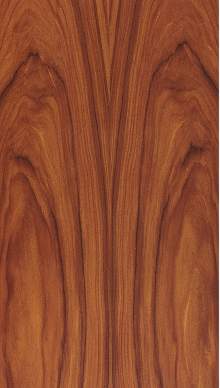
Santos Rosewood
Machaerium Scleroxylon.
Native to Tropical South America.
Fairly workable, interlocking grain.
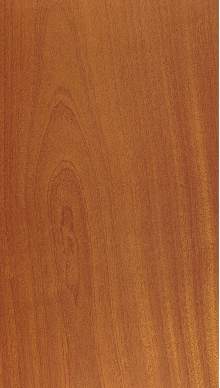
Sapele
Entandrophragma Cylindricum.
Native to West Africa.
Strong and durable. Can be challenging to work with.
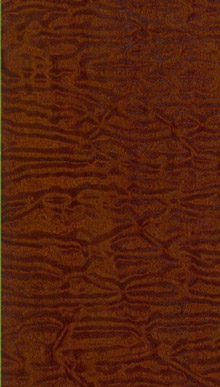
Sapele Pommele
Entandrophragma Cylindricum.
Native to Western to Central Africa.
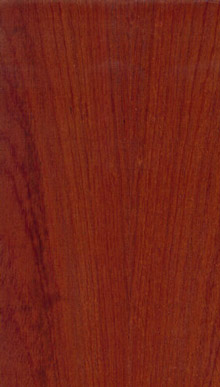
Sapele PS
Entandrophragma Cylindricum.
Native to Western to Central Africa.
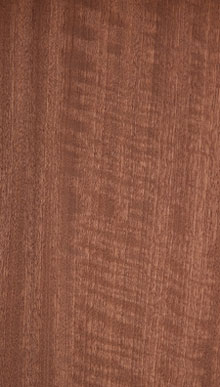
Sapeli Qtrd
Entandophragma Cylindricum.
Native to Africa.
Grain varies considerably. The color is a dark reddish brown. Sometimes requested: Sapele Pommele. Pommele is a French term meaning “dappled” or “mottled” and refers to the figure within the sheet of veneer.
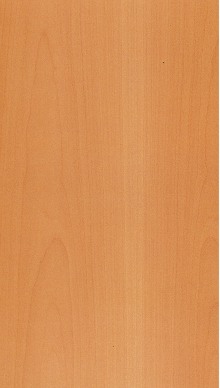
Swiss Pear
Pyrus Communis.
Native to Europe.
Not very durable, easy to work with. Most suitable for indoor furniture.
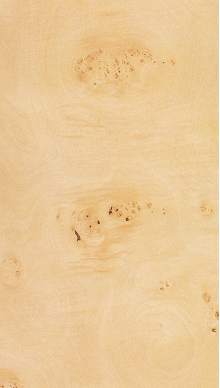
Sycamore Cluster
Platanus Occidentalis.
Native to North America.
Interlocking grain. Finishes well.
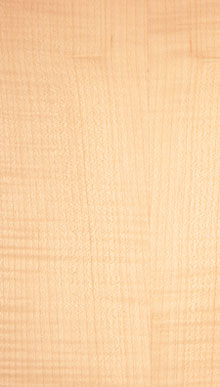
Sycamore Qtrd English
Acer Pseudoplatanus.
Native to England.
Interlocking grain. Finishes well.
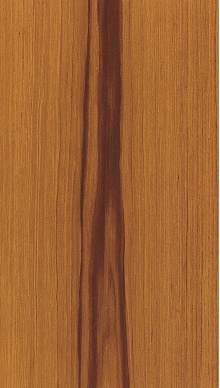
Teak
Tectona Grandis.
Native to Southeast Asia.
Teak has a slightly oily surface. Its color is a brownish yellow to dark brown. Due to the heavy demand, the forests were heavily exploited which has had a negative effect on the availability.
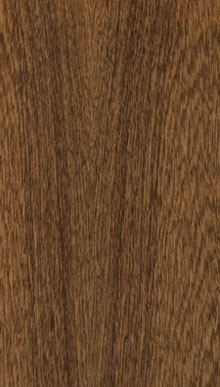
Teak Flat Cut
Tectona Grandis.
Native to Southeast Asia.
Teak has a slightly oily surface. Its color is a brownish yellow to dark brown. Due to the heavy demand, the forests were heavily exploited which has had a negative effect on the availability.
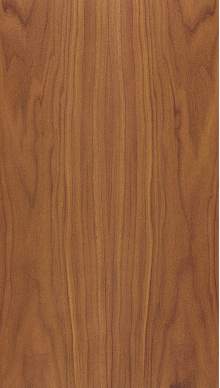
Walnut
Juglans Nigra.
Native to North America.
Exceptionally strong wood. Dark brown in color. This species produces a wide variety of figure types, including Walnut Burl.
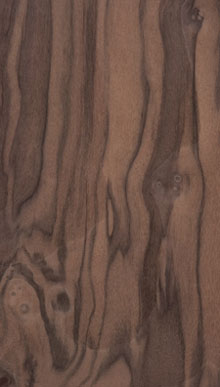
Walnut Burl
Juglans Nigra.
Native to North America.
Exceptionally strong wood. Dark brown in color. This species produces a wide variety of figure types, including Walnut Burl.
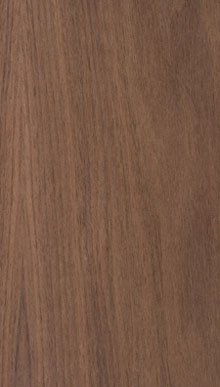
Walnut Flat Cut
Juglans Nigra.
Native to North America.
Exceptionally strong wood. Dark brown in color. This species produces a wide variety of figure types, including Walnut Burl.
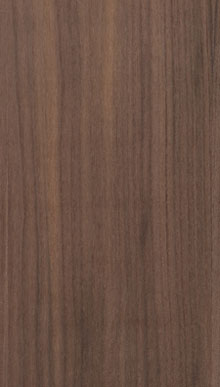
Walnut Qtrd
Juglans Nigra.
Native to North America.
Exceptionally strong wood. Dark brown in color. This species produces a wide variety of figure types, including Walnut Burl.
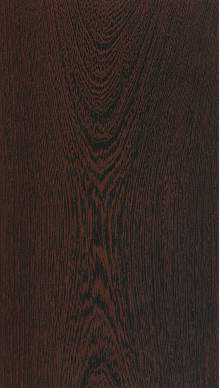
Wenge
Milletia Laurentii.
Native to Africa.
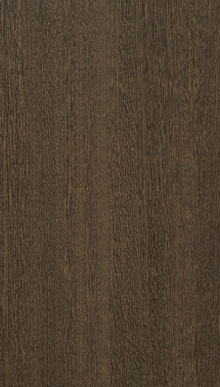
Wenge Qtrd
Milletia Laurentii.
Native to Africa.
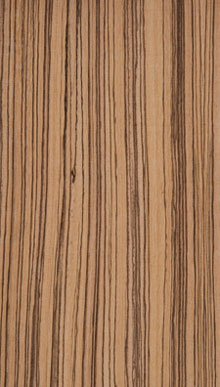
Zebrawood
Microberlinia Brazzavillensis.
Native to West Africa.
Heavy; hard; with somewhat coarse texture.